Spotting the signs early
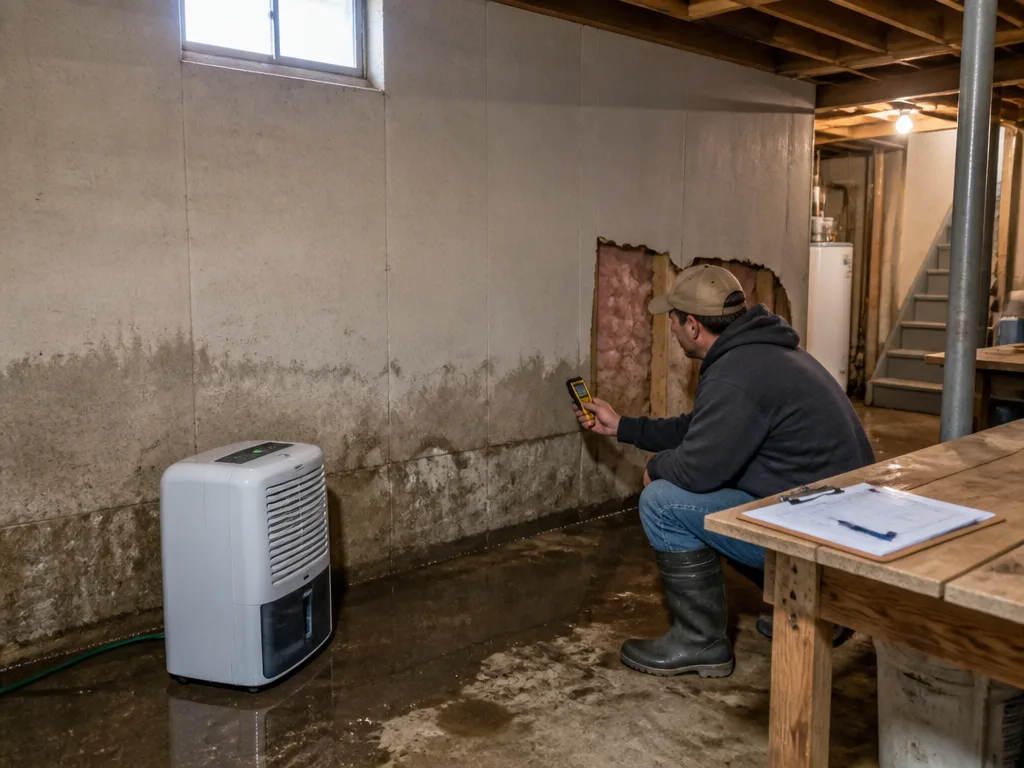
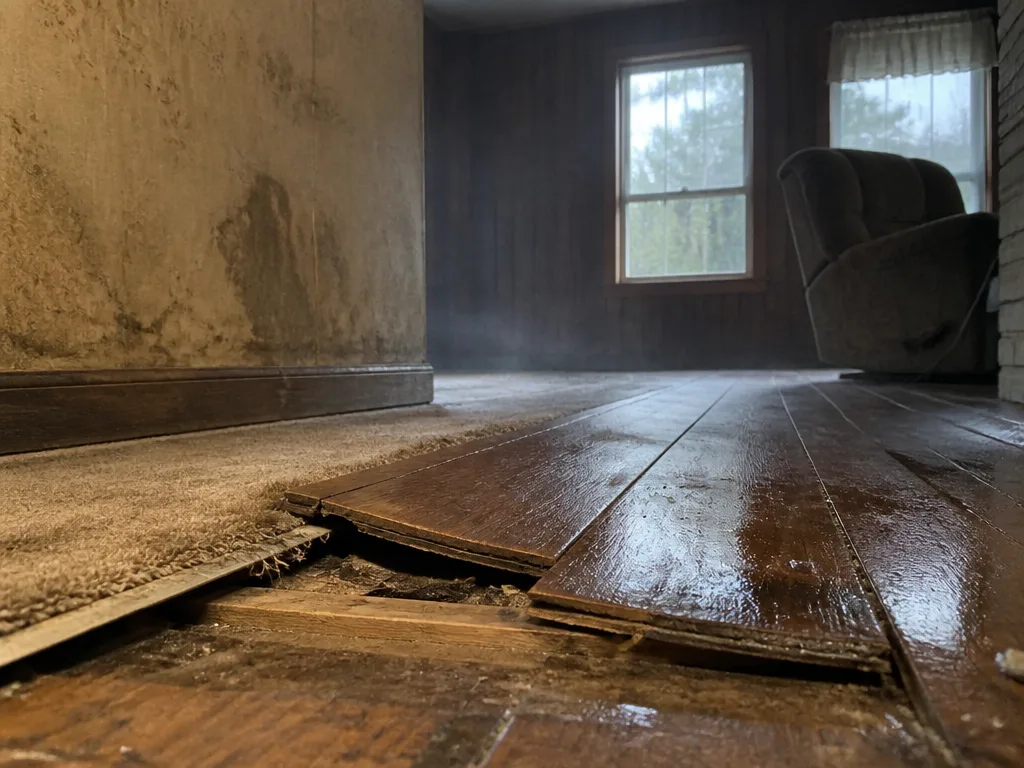
In West Virginia, heavy rains and rapid snowmelt can leave moisture behind walls and floors. A restoration specialist will tell you to watch for warped baseboards, peeling paint, or drywall that looks swollen. These are not cosmetic issues; they point to moisture hiding behind surfaces. A musty smell is another red flag that moisture is lingering in pockets where it shouldn’t be.
Keep an eye on carpet edges and subflooring after a flood or heavy rain. If cushions feel damp or you can spot a watermark on the ceiling, that’s a signal something moved through the structure. In our state, moisture can travel along framing and reach parts of the home you don’t expect, so it’s important to treat any persistent signs seriously.
Why these signs matter
Hidden moisture creates the right conditions for mold growth. Even small amounts of dampness can lead to structural damage over time. A restoration specialist from West Virginia Emergency Flood Extraction will assess the scope, locate the moisture source, and outline a plan that focuses on drying and containment without unnecessary disruption.
Addressing the issue promptly helps prevent more costly repairs later. In West Virginia, weather patterns can shift quickly, so acting fast is not about reacting to a single storm but about staying ahead of ongoing moisture risk.
What to do if you notice signs
document the areas with photos and notes about when you first noticed changes. Then contact a restoration service for a professional assessment. Our crews in West Virginia are equipped to respond across the state, and we can schedule a proactive inspection to map out drying and reconstruction steps.
Under a typical inspection
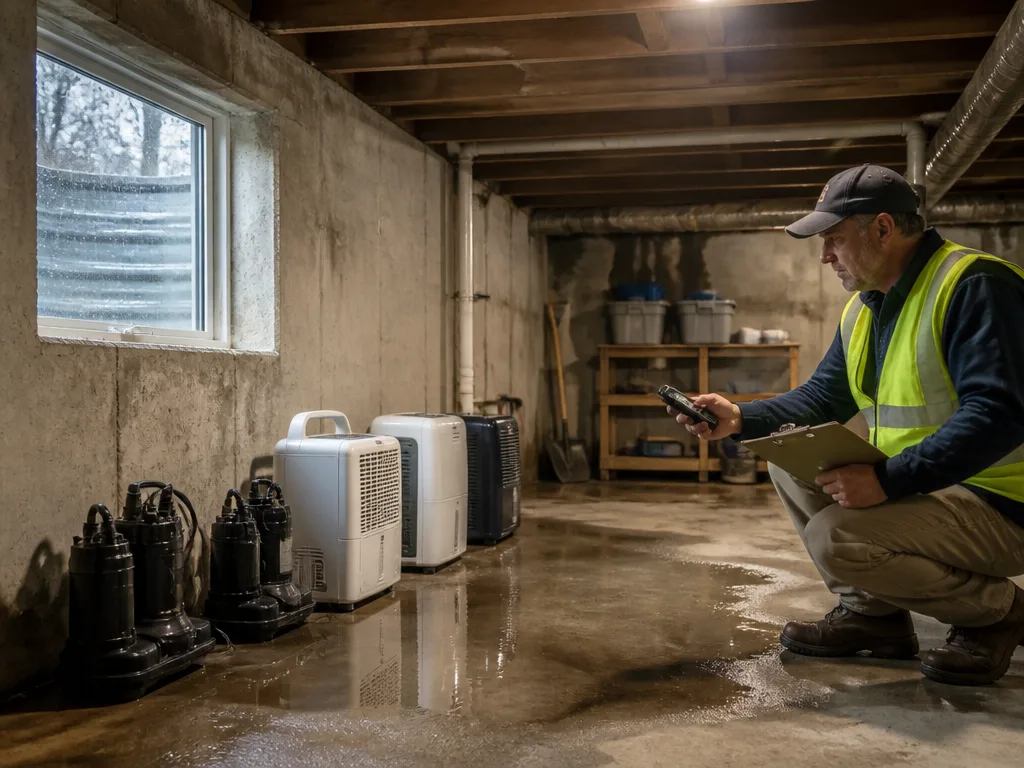
We identify the moisture source, check insulation and framing, and set up controlled drying. A good plan uses air movers and dehumidification tailored to the space. We’ll explain the process in plain language and outline what to expect in terms of disruption and timeline.