Understanding West Virginia’s seasonal moisture cycle
From spring rains to autumn cold snaps, moisture is a constant factor in homes across West Virginia. The key is to stay ahead of it. A little prevention now can save big headaches later. Your restoration specialists will tell you what to monitor and how to act when conditions change.
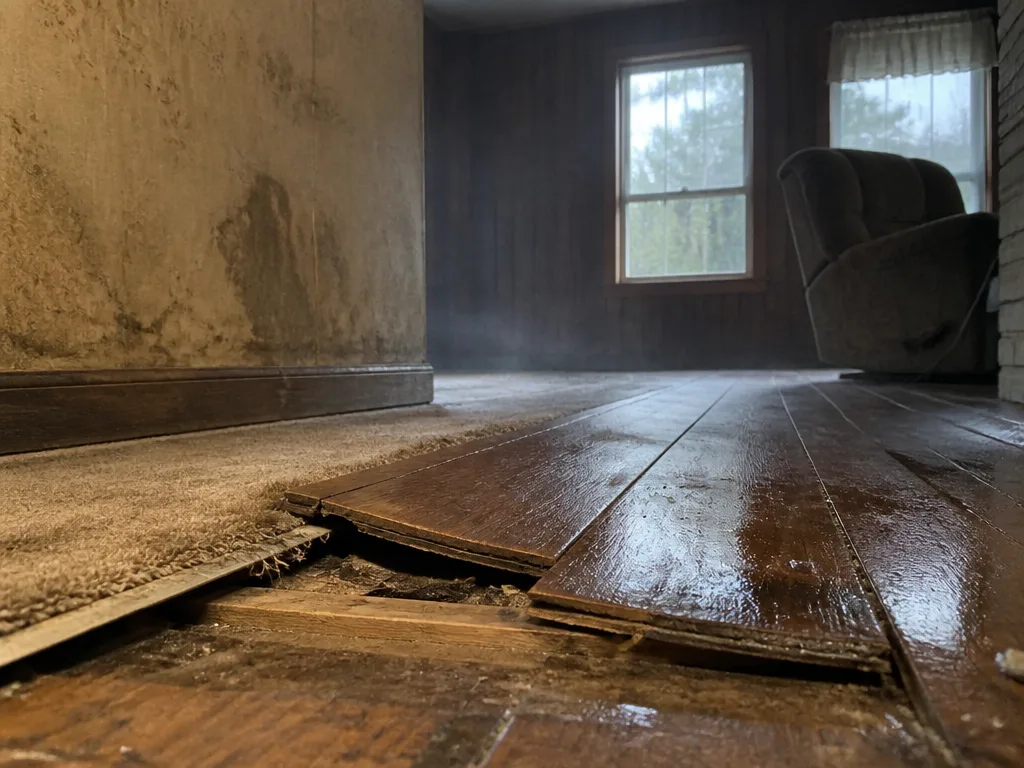
Moisture moves differently in older homes with crawlspaces and basements. In many parts of the state, these spaces are more vulnerable during wet seasons. Keeping them ventilated and dry reduces the risk of dampness seeping into living areas.
Preventive steps for every home
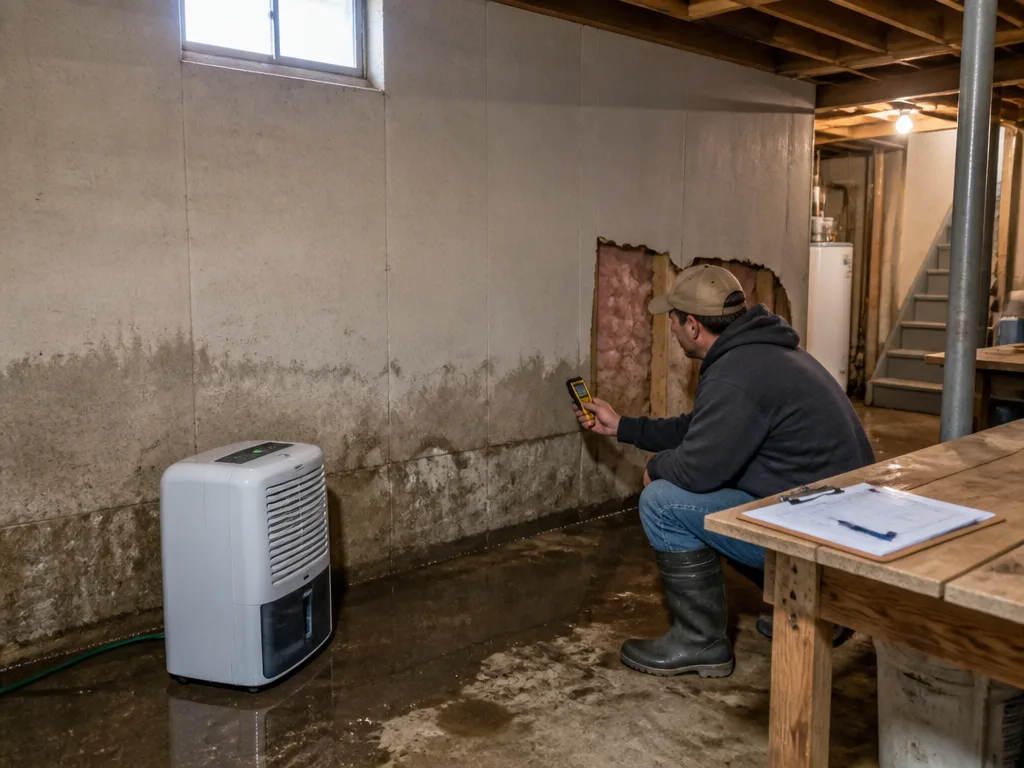
Inspect exterior drainage to ensure gutters and downspouts direct water away from the foundation. Check the yard for proper grading so water doesn’t pool near the house. Inside, use a dehumidifier in damp basements and ensure vapor barriers are intact in crawlspaces. Simple, repeatable tasks go a long way in West Virginia’s climate.
Seal any cracks in foundation walls and repair roof leaks promptly. Small leaks can become big problems if they’re ignored through the spring thaw or a heavy rain event. Our restoration specialists recommend a seasonal checkup to keep moisture from turning into a larger issue.
What a statewide plan looks like
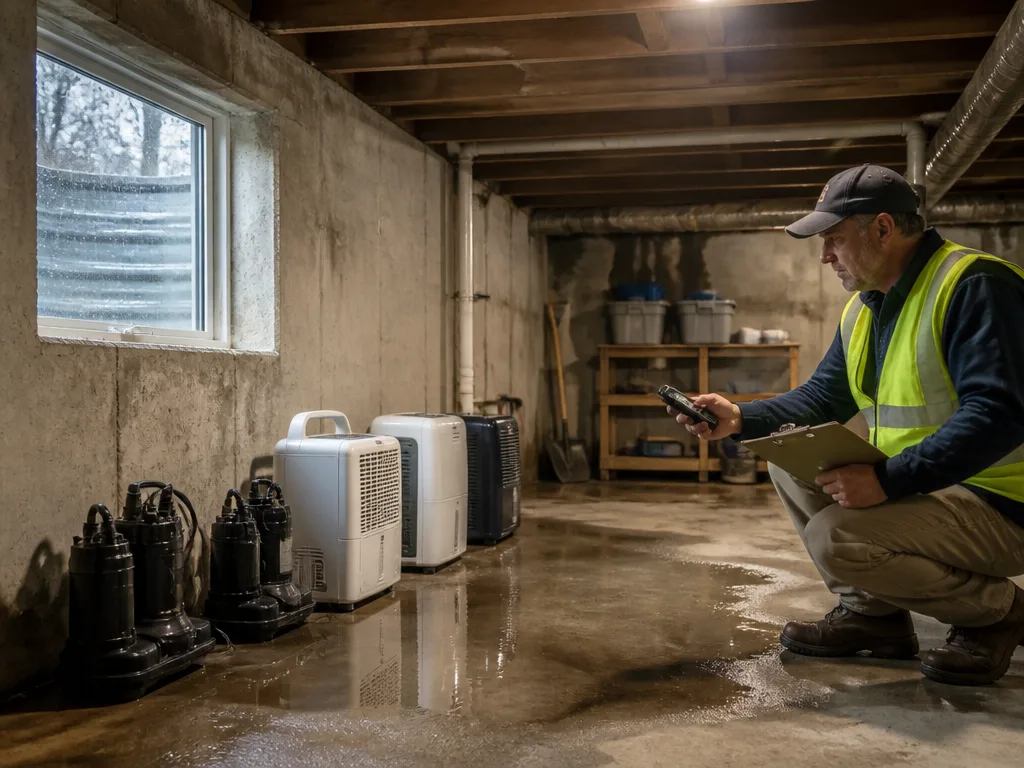
We offer a statewide plan that matches West Virginia weather patterns. Our crews in every West Virginia metro can conduct seasonal inspections, set up drying equipment when needed, and walk you through maintenance steps that protect your home. You’ll get a clear checklist and a realistic timeline, not vague promises.